

Several high-profile restoration projects are being criticized for altering the original look of beloved religious and cultural artworks
The Macarena Controversy
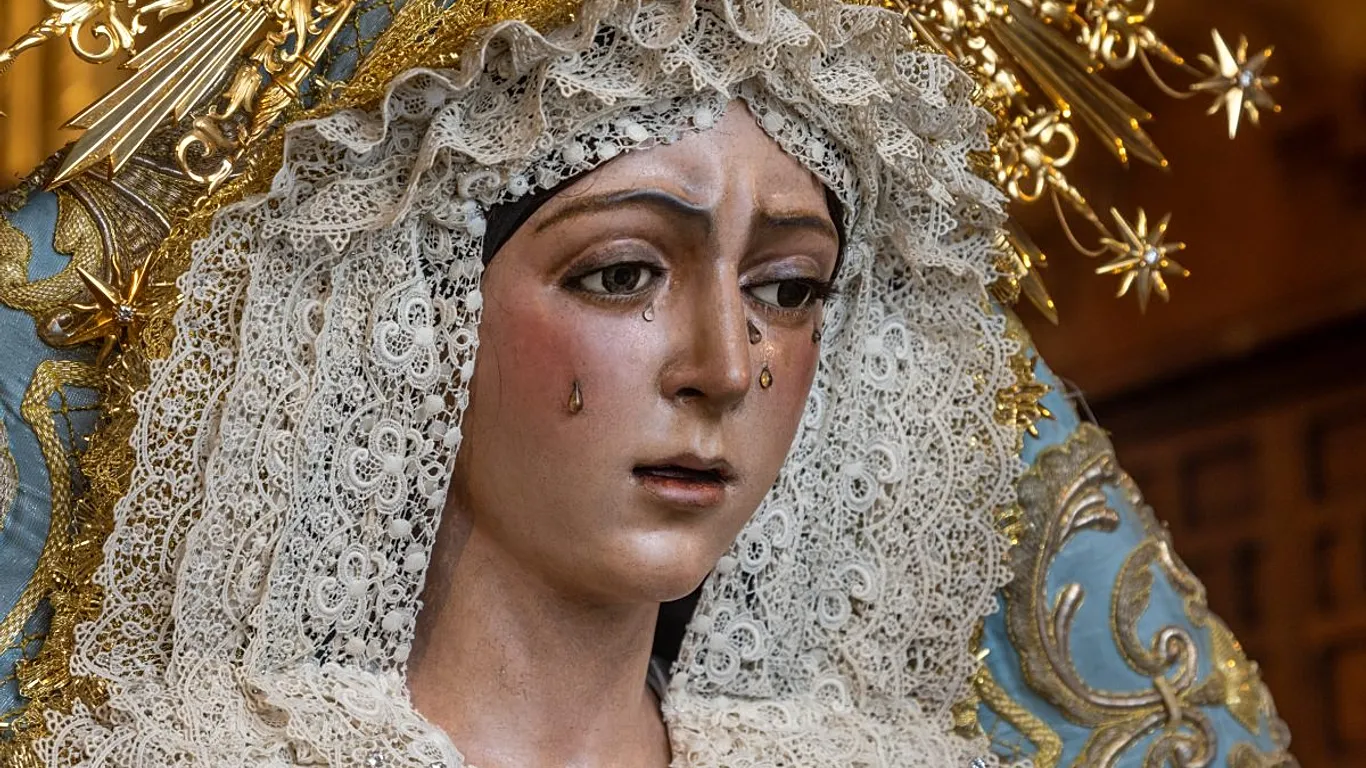
In Seville, the recent restoration of the 17th-century wooden polychrome statue known as the Virgin of La Macarena has caused widespread public outcry. Changes to facial features—including longer eyelashes, a lighter skin tone, and an altered gaze—led many worshippers to say the statue no longer resembles the figure they have venerated for generations. The Brotherhood of La Macarena has issued apologies, and some officials have resigned.
Other Restorations Under Fire
This controversy has renewed scrutiny of previous restorations in Spain. One famous case is the Ecce Homo fresco from Borja, which in 2012 was infamously “restored” by an untrained amateur artist, Cecilia Giménez, resulting in drastic changes from the original.
Other criticized restorations include a 16th-century statue of St. George in Estella, wood carvings in Asturias, and improper repaintings in churches or local chapels without sufficient heritage oversight.
The Debate Over Restoration vs. Preservation
he core issue seems to be the tension between preserving the physical object and preserving the original artist’s intent or familiar image—and how much artistic license is acceptable. Some argue that even well-intentioned restorations can do more harm than good if consultation with heritage experts is lacking.
In the case of the Macarena, heritage authorities and public heritage institutes are now involved, and there are calls for stricter rules, technical committees, and transparency in restoration choices.